
Ontario Regulation 406/19 (O.Reg. 406/19), also known as the “On-Site and Excess Soil Management Regulation,” has significant implications for construction projects in Ontario, from planning and administration to additional costs to ensure environmental compliance for soil reuse. A Qualified Person, such as Cambium’s professional engineers or geoscientists, must be involved in excess soil projects under O.Reg. 406/19.
Here’s a quick summary of how this regulation might affect your construction project:
Full adherence to the regulation requires filing the project on the excess soil registry and preparation of planning documents to support the movement of excess soil off-site. In certain circumstances, projects are exempt from filing on the soil registry and preparation of some of the planning documents – a Cambium Qualified Person can help you determine whether an exemption applies to your project at the outset, setting your project up for compliance with the regulation to minimize costly delays during construction.
The full realm of planning documents includes an Assessment of Past Uses (APU), a Sampling and Analysis Plan (SAP), a Soil Characterization Report (SCR), and an Excess Soil Destination Assessment Report (ESDAR).
Assessment of Past Uses – Current and historical use of the property and surrounding area must be reviewed to identify any potentially contaminating activities that may impact the property. This review helps the QP focus the soil characterization on specific areas of the property and contaminants that may be present due to these uses.
Sampling and Analysis Plan – Development of a sampling plan for soil characterization that addresses the findings of the APU as well as compliance with the regulation must be completed in advance of soil testing.
Soil Characterization: Soil must be tested in accordance with the SAP to determine its quality before leaving a property. Testing can be completed in-situ or from stockpiles and must meet the sampling frequency outlined in the regulation. Detailed records of soil testing results and decisions regarding soil management must be maintained.
Soil Characterization Report: The soil testing results are compiled into this report to allow the QP to make recommendations on reuse options to ensure that contaminated soil is managed appropriately and not reused in unsuitable locations.
Excess Soil Destination Assessment Report: The QP must review the reuse site characteristics to determine whether the soil is of suitable quality for the intended reuse site.
Projects that are exempt from filing on the excess soil registry are not required to complete an APU, SAP, or ESDAR; however, soil characterization is recommended to identify and support movement of excess soil to an appropriate reuse site. A Cambium QP will recommend an appropriate characterization program for your property in these circumstances.
A tracking system must be in place to monitor the movement of excess soil from the project site to the reuse site. This includes documenting the quantity, quality, and destination of the soil.
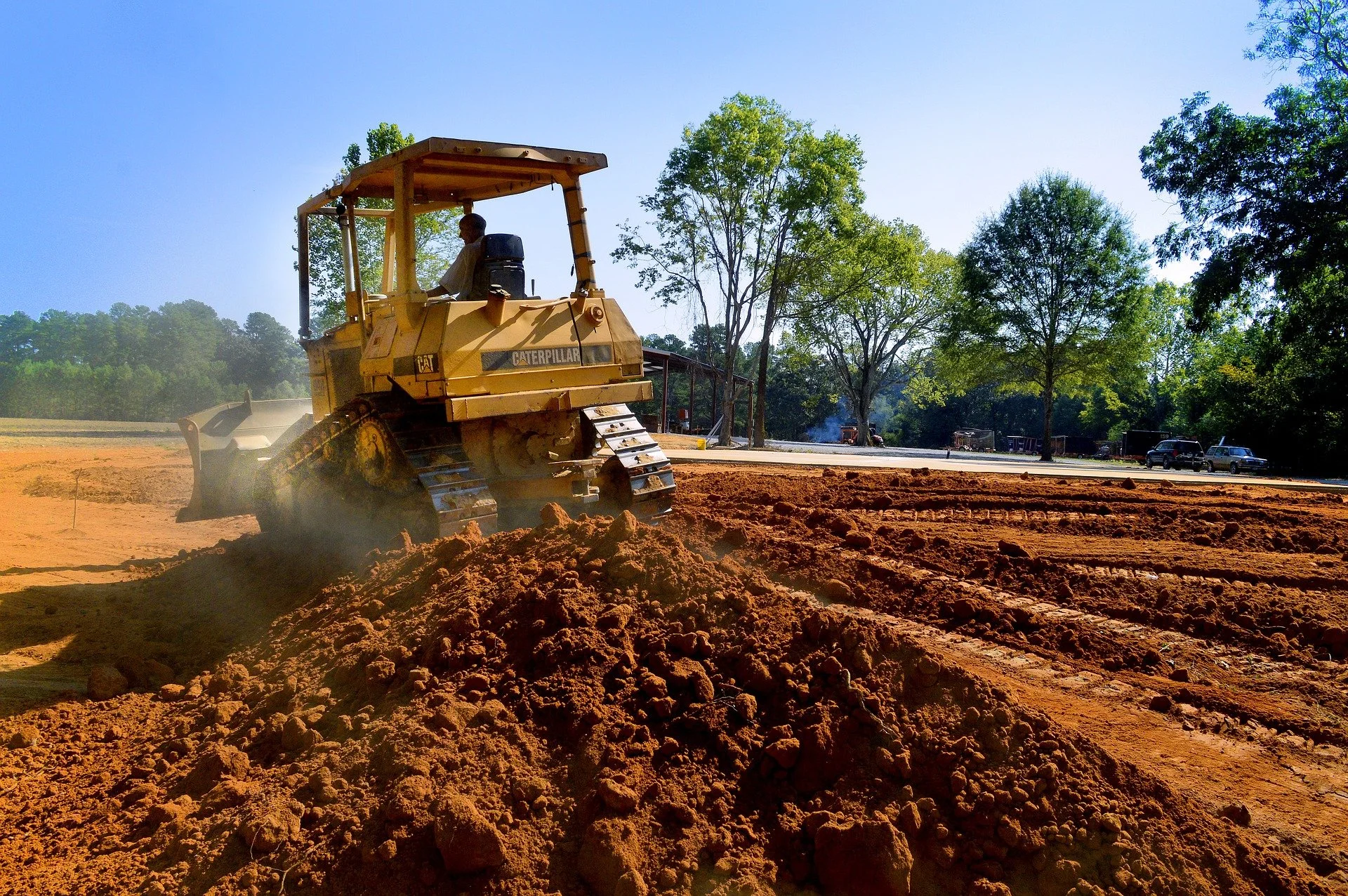
Other commonly used terminology in the regulation includes:
Reuse Sites: Reuse sites must be assessed and documented as suitable for receiving the excess soil based on its quality. The documentation must demonstrate that the soil will not cause adverse effects at the reuse site.
Tracking and Documentation: A tracking system must be in place to monitor the movement of excess soil from the project site to the reuse site. This includes documenting the quantity, quality, and destination of the soil.
Excess Soil Registry: an excess soil registry is maintained by the Resource Productivity and Recovery Authority (RPRA). Registration of excess soil source sites and large reuse sites is a requirement of the regulation.
Excess Soil Management Plan: Although not a requirement of the regulation, for projects generating excess soil, development of an ESMP may be beneficial to all parties and is often required by municipalities or local bylaws.
Environmental Protection: If contaminated soil is encountered, it must be managed according to specific guidelines to prevent environmental harm. Appropriate measures must be taken to mitigate any potential environmental impacts from the soil management activities.