
Beginning January 1, 2027, changes to Ontario's Excess Soil Regulation (O. Reg. 406/19) will restrict when certain types of excess soil can be sent to landfill. While the regulation itself is technical, the impacts will be felt across the construction, development, municipal, and infrastructure sectors.
If your projects generate excavated soil, now is the time to understand what these changes mean.
What Is Excess Soil?
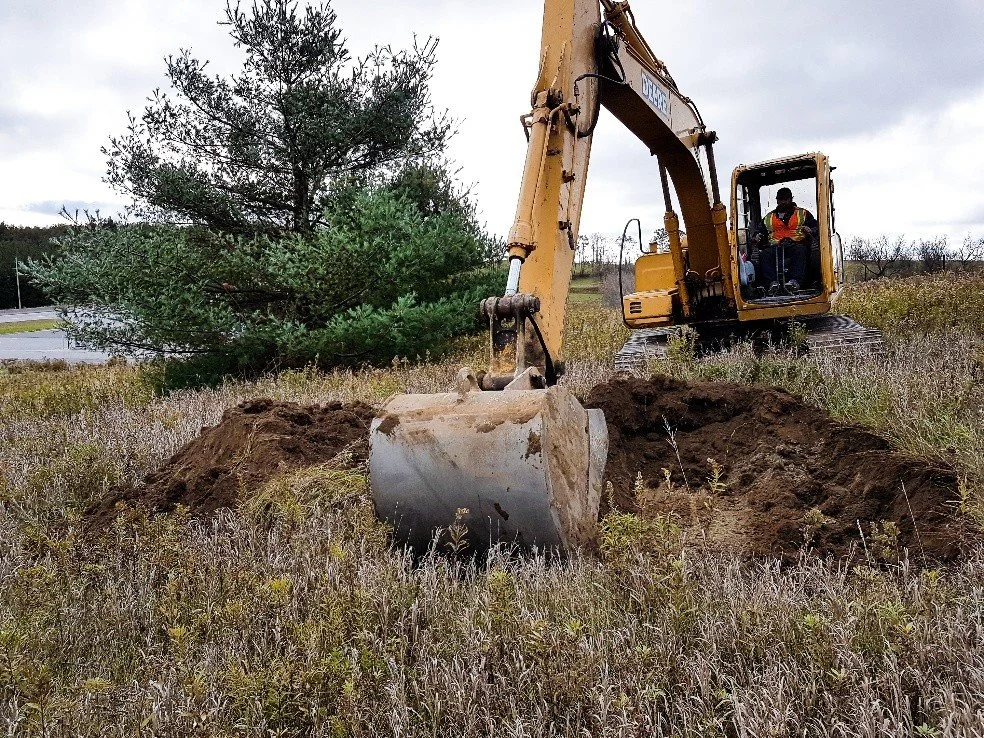
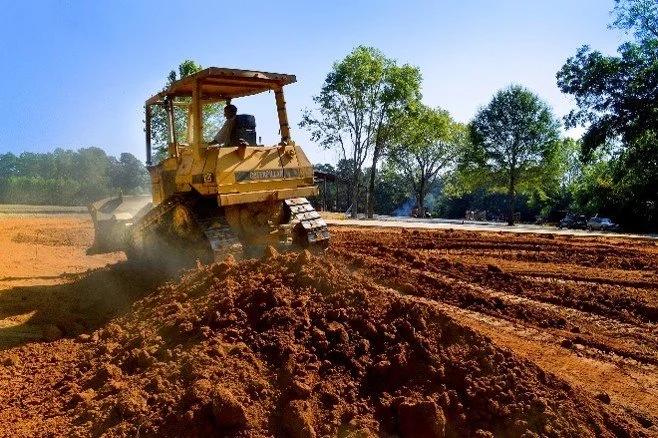
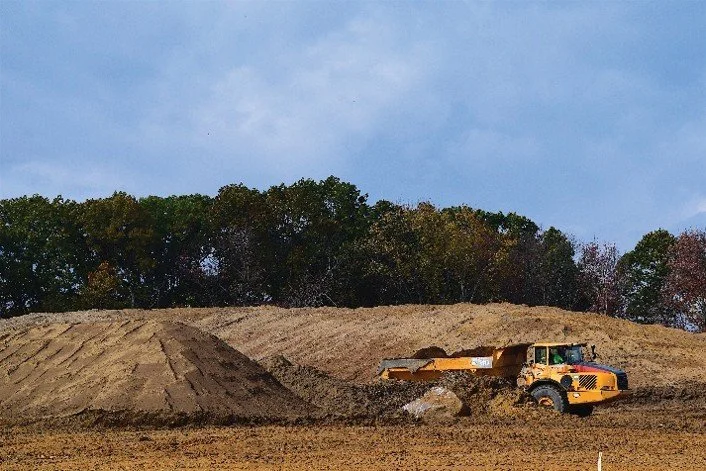
Excess soil is the soil that is removed from the project site during construction activities such as building developments, road reconstruction projects, utility installations, site servicing, and infrastructure upgrades.
In the past, some soil that could not be reused on-site was transported to landfill. Starting in 2027, that option will become more limited for certain types of soil with marginal impacts.
What Is Changing on January 1, 2027?
The 2027 changes reinforce a shift that has been underway in Ontario for several years: treating excess soil as a resource rather than a waste material.
Under the upcoming amendments to Ontario Regulation 406/19, excess soil that meets Table 2.1 residential, parkland, and institutional (RPI) standards generally cannot be disposed of at landfill sites.
The intent of the regulation is to encourage the beneficial reuse of excess soil rather than treating it as waste.
The amendments also clarify:
When exceptions to the landfill restrictions may apply
What documentation must be provided by a Qualified Person (QP)
What justification is required when soil is proposed for disposal instead of reuse
Who Will Be Affected?
While the regulation applies to excess soil management, the impacts extend far beyond environmental consultants.
Organizations that should be paying attention include:
Land Developers: Developers of residential, commercial, industrial, and mixed-use projects often generate significant volumes of excess soil during excavation and servicing activities. By planning early, they can identify beneficial reuse opportunities and avoid project delays.
Municipalities: Municipalities generate excess soil through road reconstruction, watermain replacements, sewer installations, and other infrastructure upgrades. By planning ahead and preparing the required documentation, municipal project teams can support compliance and keep projects on track.
Contractors: Construction contractors responsible for excavation, transportation, and disposal of soil will need to understand changing requirements and ensure materials are directed to appropriate destinations.
Property Owners and Infrastructure Clients: Organizations undertaking major site improvements, facility expansions, or infrastructure investments may face additional soil management considerations during project planning and budgeting.
How Cambium Can Help
Navigating Ontario's excess soil framework requires an understanding of both the regulatory requirements and the practical realities of construction and development projects.
Cambium works with developers, municipalities, contractors, and infrastructure owners to support:
Soil characterization and sampling programs
Beneficial reuse planning
Regulatory compliance reviews
Environmental due diligence and permitting support
With the January 1, 2027 implementation date approaching, organizations should begin reviewing how these changes may affect upcoming projects and soil management strategies.
Have questions about how the Excess Soil Regulation may impact your projects? Contact Cambium's environmental team to discuss your specific requirements.